Preventive Maintenance Tips from AC Repair Experts in Manor TX
Living in Manor, TX, means long, hot summers and a high dependency on air conditioning. A well-maintained system can make the difference between comfortable nights and emergency calls at midnight. I’ve spent years troubleshooting units that failed because of avoidable issues, and the patterns are consistent: clogged filters, poor airflow, neglected condensate lines, and deferred professional checks. This article pulls together practical preventive maintenance advice rooted in field experience, trade-offs you should consider, and when to call specialists for AC repair in Manor TX.
Why preventive maintenance matters here Manor sits inside the greater Austin area, which brings heat, humidity, and dust. Those three elements conspire against HVAC equipment. Heat forces compressors to run harder, humidity encourages mold and corrosion, and dust coats coils and motors, reducing efficiency. Owners who skip maintenance pay with higher energy bills, shorter equipment life, and the inconvenience of heat-related breakdowns. Regular attention can cut energy consumption by a noticeable percentage, often 10 to 25 percent, depending on how neglected the system was.
A short field story A homeowner called after their 10-year-old system failed on a 100 degree afternoon. The unit was noisy and barely cooling. I found the outdoor coil caked with grass clippings, the indoor filter completely clogged, and the capacitor swollen. Two of those problems could have been prevented by simple, timely actions. The repair bill was higher than it needed to be and the family went without proper cooling for almost a day. Preventive maintenance would have avoided the emergency AC repair near me search and that night of discomfort.
Daily and weekly habits that pay off Daily vigilance is simple and low cost. Check that supply registers are unobstructed, especially in bedrooms and living areas. Keep curtains or blinds closed on east and west windows during afternoon sun to reduce heat gain. If you have a programmable thermostat, use setback schedules overnight or when the house is empty to reduce compressor run time without sacrificing comfort.
Weekly checks should include the visible filter, if accessible. Many modern HVAC filters are behind return grilles or in closet-mounted air handlers, but those with easy-access filters can inspect them weekly during high-use months. Replace or clean the filter when you see dust build-up. A clogged filter increases static pressure in the ductwork, which reduces airflow and forces the blower and compressor to work harder. That extra strain shortens component life and can lead to signs like uneven cooling and frequent short cycles.
The essential seasonal maintenance checklist Below is a practical checklist that covers the core actions an attentive homeowner or property manager can do across a season. Each item stops the most common failure modes we see in Manor.
- change or clean the air filter every 1 to 3 months during heavy use, more often if you have pets or allergies
- clear at least two feet of debris around the outdoor condenser, trim plants, and rinse the coil gently with a garden hose once per season
- check the condensate drain and pan for standing water or slow drainage, clear the line with a brush or a vinegar flush if needed
- confirm thermostat batteries and settings, and calibrate or replace the thermostat if the indoor temperature reads off by more than 2 degrees
- schedule a professional inspection at least once a year, ideally in spring before peak cooling demand
Why each item matters, with specifics Change or clean the air filter. Filters are cheap insurance. A pleated 1-inch filter clogged with dust will raise equipment run time noticeably. If your utility bill spikes by 10 to 20 percent versus last summer, and you did not change usage patterns, a dirty filter is often the culprit. For homes with dogs, cats, or active renovations, change filters monthly. For low-dust households, every three months may be fine.
Clear and rinse the outdoor unit. The condenser coil needs airflow to reject heat. Even a thin mat of yard debris or pollen reduces efficiency. Use a gentle stream from the hose — high-pressure washers can damage fins. Straighten bent fins with a fin comb if airflow seems restricted. When mowing the lawn, turn the unit off and avoid blowing clippings toward it. That small habit saves hours of labor and prevents clogs in the fins.
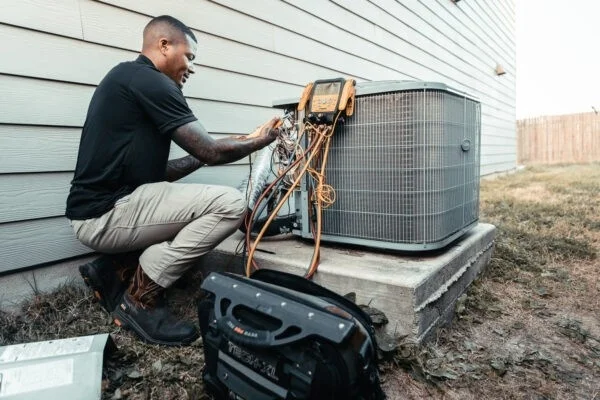
Condensate line maintenance. Air conditioning removes moisture from indoor air, which drains through a condensate line. If that line clogs, water backs up into the drain pan and can overflow into ceilings or carpets. The smell of mustiness near the air handler and intermittent water under the unit are early signs. A routine vinegar flush once or twice a year keeps organic growth at bay. If you find mold or repeated clogs, have a technician inspect and, if needed, install an access port or a condensate pump.
Thermostat care and proper settings. A miscalibrated thermostat causes short cycling or temperature swings that wear the compressor. Replace thermostat batteries yearly and check placement. Thermostats mounted on exterior walls or in direct sunlight give false readings. Consider upgrading to a programmable or smart thermostat with simple rules: a few degrees higher while you are away, consistent setback overnight. The trade-off is convenience versus complexity — smart thermostats offer savings but sometimes need professional wiring or more time to set up.
When to call the pros: AC repair in Manor TX and AC installation in Manor TX Some tasks belong to trained emergency AC repair near me technicians. Professional maintenance should include refrigerant checks, electrical inspections, blower motor performance, and a full coil cleaning when necessary. If your system is more than 10 years old and requiring frequent repairs, the economics can favor replacement. A new system usually delivers a 15 to 40 percent efficiency improvement over a worn unit, but upfront cost and ductwork condition determine the payback period.
Choose a provider who explains findings clearly and provides options. A reputable local company, such as ATX Heating & Air Conditioning LLC, can perform seasonal tune-ups and advise on whether repair or replacement makes more sense. Ask technicians to show you the failing parts and explain why they need replacement or repair. Beware of vague assessments that recommend full replacement without diagnostic evidence.
Recognizing early warning signs You do not want to wait until your compressor fails. Listen and look for early indicators. Unusual noises like grinding, hissing, or high-pitched squeals point to mechanical wear or refrigerant leaks. Uneven cooling across rooms tells you something is wrong with airflow or refrigerant charge. Frequent short cycles indicate a failing capacitor, mis-sized thermostat, or low refrigerant. Higher-than-usual electrical bills often accompany decreased efficiency due to coil fouling or failing compressors.
There are edge cases and judgment calls. For example, an older two-stage unit with rotting duct connections might still cool fine, but replacing only the outdoor condenser will strand the homeowner with incompatible controls. Another trade-off is sealing ductwork. It improves efficiency but can unmask other problems, such as inadequate return air sizing, creating negative pressure and backdraft risks for combustion appliances. A professional evaluation will identify those interactions.
Preventive maintenance for ductwork and indoor air quality Ducts are often out of sight and out of mind. Yet leaky, dusty ducts can lose 10 to 30 percent of conditioned air, depending on how bad the leaks are. Simple fixes include sealing visible seams with mastic or certified foil tape and insulating ducts in unconditioned spaces. Duct cleaning is sometimes necessary, particularly after construction or if you see visible mold or excessive dust. Choose a reputable contractor who uses proper agitation and negative pressure techniques.
Consider upgrades to filtration for better indoor air quality. A higher MERV rated filter improves particle capture, but higher resistance increases blower load. If you opt for MERV 11 or higher, verify your blower can handle it or switch to a larger filter or a multi-stage approach that balances filtration with airflow.
Preparing for peak season and emergencies Before summer spikes, run your system through a full cycle, check airflow, and observe startup behavior. If you hear a delayed startup, the capacitor or contactor could be failing. If cooling output seems low, a refrigerant pressure check is warranted. Keep the contact number for a reliable local emergency AC repair near me contact in a visible place. Emergencies still occur despite good maintenance, and having a trusted company on speed dial reduces stress.
A practical emergency bag includes: spare thermostat batteries, a digital thermometer, extra 1 or 2 filters sized for your returns, and a small flashlight. If you lose cooling, try replacing the filter and checking the breaker before calling. If the outdoor fan does not spin but the compressor hums, shut the system off and call a technician. Running a compressor without proper fan operation can cause a locked rotor burnout.
Budgeting for maintenance and replacement Allocate money annually for tune-ups and small repairs. Spending roughly 1 to 3 percent of the installation cost per year on maintenance is a reasonable guideline. For a $6,000 installed system, that means $60 to $180 per year for preventive care plus occasional repairs. That investment often delays major failures and improves resale value if you sell the home.
If you face replacement, get at least three bids and compare not only equipment but ductwork modifications, warranty terms, and seasonal energy efficiency ratio numbers. A higher SEER rating yields better efficiency, but only if the installation is correct. Poor installation can nullify the theoretical benefits of a high-efficiency unit. Again, local expertise matters. AC installation in Manor TX is best performed by contractors familiar with local climate demands and common building practices in the area.
How technology helps, and when it complicates things Modern systems add diagnostics, variable speed compressors, and advanced controls. Those features improve comfort and efficiency when installed and tuned properly, but they increase repair complexity and part cost. Variable speed blowers, for instance, provide smoother temperature control and humidity management, but when a variable motor fails, repairs can be expensive. For many homeowners, a reliable fixed-speed system maintained annually provides better long-term cost predictability. Weigh the value of advanced features against potential service costs and your tolerance for complexity.
Working with reputable local technicians Experience matters. Look for technicians with NATE certification, strong local references, and transparent pricing. Ask potential providers whether they test refrigerant charge by temperature split or by pressure and superheat for accuracy. Check that they offer written estimates and explain warranty coverage. Local companies like ATX Heating & Air Conditioning LLC not only perform repairs, they can set up recurring maintenance agreements that schedule seasonal visits, keep records, and often include priority service for members.
A final practical checklist for the homeowner For readers who want a compact regimen, follow this simple seasonal plan. These are the tasks I recommend to homeowners who want to reduce emergency calls and extend equipment life.
- spring: change filters, clear outdoor unit, schedule professional tune-up, test thermostat settings
- summer: inspect monthly, flush condensate line mid-summer, keep vents unobstructed
- fall: change filters, close attic vents if applicable, run heating system briefly to confirm readiness
- winter: check thermostat batteries, inspect insulation around exposed ducts, schedule any needed repairs ahead of spring rush
Your system is an investment Think of your HVAC system as a critical household appliance with moving parts and fluids. Like a car, it wants regular oil changes and inspections. The difference is that when a car fails you can walk; when an AC fails on a hot Manor afternoon, people suffer. Preventive maintenance reduces risk, lowers energy bills, and prevents emergency AC repair near me calls at inconvenient times. Combine basic homeowner actions with annual professional tune-ups, and you will HVAC companies Manor TX get the best balance of comfort, reliability, and cost.
If you need a trustworthy local technician to perform a seasonal tune-up or to assess whether repair or replacement is the right choice, consider contacting a provider familiar with Manor and the Austin area. They can provide actionable recommendations and set up a maintenance schedule that keeps you comfortable when summer temperatures rise.
ATX Heating & Air Conditioning
13809 Theodore Roosevelt St., Manor, TX - 78653
(737) 406-8083
[email protected]
Website: https://atxheatingandac.com/